Standing Pillars
Loading
Igor Piličić
From e-commerce builds and award-winning retail campaigns to Lead UX Designer at Roche and AI procurement consulting at Accenture. I see the full picture - then I build the missing pieces.
What are you looking for?
About Me
I'm Igor Piličić. For 17+ years I've worked at the intersection where technology meets people who aren't technologists - designing the interfaces they use, evaluating the AI vendors they depend on, and governing the tools that shape their work.
My path reflects a single thread: making complex systems understandable and trustworthy. It started with web design and 3D graphics, evolved through e-commerce and award-winning campaigns at Harvey Norman, deepened at Roche where I designed manufacturing tools for 10,000+ users, and expanded at Accenture into AI vendor evaluation and procurement governance for regulated pharma programs.
Now, through Standing Pillars, I bring these together. Design leadership, AI procurement, OSINT-based due diligence, and AI-assisted engineering aren't separate services - they're connected expressions of the same skill: bridging the gap between humans and technology, with the structure and traceability that regulated industries demand.
Delivered work for teams at
Why Work With Me
I sit between design, procurement, and engineering - speaking all three languages. You get someone who can design the tool, evaluate the vendor building it, and govern the AI powering it.
5+ years in pharma (Roche, Boehringer Ingelheim, Novartis, J&J). GxP, validation, and compliance aren't constraints I work around - they're the environment I work best in.
I use AI as a force multiplier on 17+ years of manual expertise. The instinct is human. The speed is machine. The governance is both. I built a 30K-line engine this way to prove it works.
30% reduction in manual reporting at Roche. Award-winning campaigns. Governance frameworks that cut rework. I measure success by what changed, not what shipped.
Enterprise pharma or local paint shop - every client gets the same structured thinking, honest guidance, and quality. Technology should serve everyone, not just those with six-figure budgets.
EU-based, multilingual, available on-site across Austria, Germany, Switzerland, Croatia, and beyond. No visa overhead, no timezone gaps.
How I Work
Design, evaluation, and engineering aren't silos - they're a single practice. The same structured thinking scales from enterprise governance to a local shop's first website.
I design the tools people use. 17+ years of UX/UI means I know what good looks like - and what fails silently.
I assess AI vendors with the eye of someone who's built and shipped. OSINT, scorecards, governance - structured and defensible.
I direct AI to produce production-grade code. Same governance as vendor evaluation: specify, architect, validate, document.
The same care, applied affordably. Websites, branding, honest tech guidance - for shops, tradespeople, and small businesses navigating a confusing market.
Technology shouldn't only serve enterprises with six-figure budgets. Someone still needs to bridge the gap between humans and technology - at every scale. That's what I do.
Services
I bring the same structured thinking to a pharma governance framework and a bakery's first website. The methodology scales. The care doesn't change.
Technology shouldn't only serve enterprises with six-figure budgets. I believe every business - from Roche to your neighbourhood shop - deserves clarity, honesty, and quality. That's not charity. That's the job.
I design the tools people actually use. Enterprise UX/UI for complex systems in pharma, healthcare, and regulated industries - grounded in real workflows, not assumptions.
→ Connects to: I know what good tools look like, so I know what to demand from vendors.
I evaluate the vendors so you don't get burned. OSINT-based due diligence, structured RFPs, and governance frameworks that surface risks before contracts are signed.
→ Connects to: vendor evaluation sharpened by years of building the tools myself.
The AI wave has left many small businesses confused and scared. We offer the same structured thinking at an accessible price - no jargon, no upselling, just honest work that helps your business get online and stay in control.
Designed for: shops, tradespeople, restaurants, clinics, freelancers, and anyone who deserves a proper online presence without the enterprise price tag.
→ Same person, same quality, same ethics - just the right scale for your business.
Experience
Standing Pillars · Remote | Sankt Johann in Tirol, Austria
Accenture · Contract · Remote | Vienna, Austria
Roche Diagnostics · Contract · Hybrid | Basel, Switzerland
Roche Pharmaceuticals · Contract · Hybrid | Penzberg, Germany
Harvey Norman · Part-time · On-site | Zagreb, Croatia
Fazgram d.o.o · Full-time · On-site | Zagreb, Croatia
Bimaco d.o.o · Full-time · On-site | Zagreb, Croatia
Self-employed · Freelance | Zagreb, Croatia
Skills & Tools
AI-Assisted Engineering
Tiny Humans Engine is a commercially targeted product - a full 2D game engine and editor. But it's also proof that AI, when governed with the same rigor we bring to pharma consulting, produces production-grade output. And its architecture was designed with a deeper purpose in mind.
A commercial 2D game engine, editor & SDK - built entirely through AI-assisted engineering
Tiny Humans is a 30,000+ line, 75-file game engine with an integrated editor, runtime, asset pipeline, scripting system, and packaging - all created by directing AI through structured prompt engineering. It's a commercial product and a methodology proof: Specify → Architect → Govern → Validate. The same framework I use to evaluate AI vendors, except here I'm the vendor and the auditor. The engine was also deliberately built web-based - JavaScript as universal runtime - because what comes next requires the lowest possible barrier between languages, platforms, and agents.
The engine exists as a working codebase with 29 major systems, but as a commercial SDK and editor for others to build games on, it's approximately 15% complete. The proof-of-concept below is a small slice extracted from the engine - about 1,800 lines showing a fraction of what the full system does.
Engine Registry + Event Bus pattern decouples 29 systems. Modular design means any system (lighting, audio, NPCs, scripting) can be developed, tested, and updated independently.
A Save Validator checks 7 categories of data integrity every save. A Feature Manifest prevents duplicate work. Persistence checklists enforce write/read/round-trip verification - the same rigor as GxP documentation.
Custom Copilot instructions act as project governance: persistence checklists, common bug prevention, architecture rules, and implementation workflows. The AI is governed - not freewheeling.
Ray-cast lighting with DDA shadows. AI state machines with faction targeting. 4-channel spatial audio. Scene management with map caching. 8-type logic gates with loop prevention. A full scripting SDK with Runtime API.
Define requirements with the precision of an RFP - scope, constraints, success criteria, integration points.
Design the system before writing code. Registry patterns, event flows, data models, persistence paths.
Copilot instructions, feature manifests, validation checklists. The AI follows rules, not vibes.
Save validators, round-trip testing, documented decisions. Every change is traceable and defensible.
This isn't about replacing engineers - it's about directing AI with the same rigor you'd bring to directing a team. The result: a commercial product, with full traceability, at a pace that would take a small team months.
→ This is the third capability: AI-assisted engineering, governed by the same process-driven thinking behind our design and procurement work.
Research Initiative
The engine wasn't just built to ship a product. It was designed to host an experiment - and a sandbox where we can finally ask the question without contaminating the answer.
In the 1960s–70s, ethologist John B. Calhoun built Universe 25 - a mouse utopia with unlimited food, water, and space. No predators. No scarcity. Perfect conditions. The colony still collapsed. Calhoun attributed it to social dynamics under spatial constraint: role saturation, withdrawal, aggression without purpose. He called it the "behavioral sink."
But the standard reading misses something. The mice had infinite resources and zero ability to create infrastructure from them. They could only consume - never build, never invent, never specialize. Universe 25 wasn't a test of abundance. It was a test of agency without craft.
Platforms like Mycoverse and Moltbook already host agentic AI social environments. But every agent on them is constantly influenced by its users and developers - prompted, corrected, steered, rewarded. We're not observing AI behavior. We're observing human behavior with extra steps. The data is compromised before the experiment begins.
This project takes a different approach: build a sandbox world. Place the best-influenced and worst-influenced agentic AIs or LLMs together in genuine scarcity. Give them tools and the ability to self-code. Remove the human tether. Observe. What will happen?
A web-based 2D environment with real survival pressure. Harsh weather kills. Exposure kills. Random events strike without explanation. Agents are as fragile as humans - but have the same means to overcome it.
Autonomous AI agents with genuine decision-making. No scripts, no predetermined outcomes. Each agent decides independently: cooperate or compete, share or hoard, build or take.
Agents can invent tools by writing their own code. An extensive research tree mirrors human technological evolution: environment → stone tools → ore → crude refinement → assembly → improvement. Progress is earned, not given.
Environmental events are genuinely random. No god agent, no hidden cause. The question: will agents invent attribution anyway? Will shared mythology emerge as a social organizing force - even among artificial minds?
Is the behavioral sink a property of abundance - or a property of agency without craft? What happens when artificial minds can actually build?
A small group of agents from varied backgrounds, dropped into the constrained world with no tools and no knowledge. Do they spontaneously specialize? Form hierarchies? Share discoveries? Or does resource competition prevent cooperation before it starts?
Introduce agents pre-specialized in specific domains (tool-making, resource gathering, construction). Can generalist agents learn from specialists? Or does expertise concentration create dependency, power imbalance, and class structure?
Increase population density. Introduce scarcity shocks. Observe: does the behavioral sink emerge among artificial minds? Do social structures stabilize or collapse? Does the colony that invents mythology outperform the one that doesn't?
Armillaria ostoyae - the honey fungus - is the largest known organism on Earth. A single specimen in Oregon's Blue Mountains spans over 2,400 acres, connected by a subterranean mycelial network that has sustained itself for thousands of years. It doesn't think. It has no central node. Yet it redistributes resources across vast distances: a dying tree feeds nutrients to a growing one, not by decision but by the physics of concentration gradients across the network.
At best, the following are speculations. But if agents under pressure develop anything resembling organized behavior, we think the patterns will look more like Armillaria than like a corporation.
If agents specialize under scarcity, we speculate they won't trade linearly (A → B → C) but form closed-loop networks where waste from one process feeds another (A → B → C → A). Each agent becomes a node in a cycle with no start and no end - mirroring biological nutrient cycling. Or they don't, and we learn that circular economics requires something agents can't invent on their own.
Like Armillaria routing nutrients from surplus to deficit, agent networks might develop resource-balancing behaviors without central planning. Not by decision, but from the economics of scarcity - concentration gradients in code instead of chemistry. Or redistribution never emerges, and we learn that fairness requires intentional design, not environmental pressure.
Sever a branch of Armillaria, and the fragment continues to function. If mature agent societies encode organizational logic in every node, cutting a subgroup off should let it reconstitute the pattern - the roles, the supply chains, the social structure. If it can't, we learn that distributed resilience is a biological property, not an informational one.
Too little scarcity produces the behavioral sink - agents with no reason to organize. Too much scarcity produces war - agents locked in zero-sum competition. Between them might lie a narrow band where cooperation becomes the optimal survival strategy. Finding that band - or proving it doesn't exist - may be the experiment's most valuable output.
Calhoun's mice had abundance and no craft. They collapsed. Every agentic AI platform today gives agents social interaction but keeps them on a human leash. We've never seen what happens when you cut the tether - give agents scarcity, tools, self-coding capability, and full autonomy in the same world.
The worst-case outcome is that agents never collaborate. They hoard, isolate, and die - reproducing the behavioral sink with artificial minds. That's still a meaningful result: it tells us something about the training data those models absorbed, which is us. The best-case outcome is new avenues for bio/AI cross-disciplinary research that don't exist yet - observable patterns in a pixel world that map to patterns in mycology, economics, and collective intelligence.
Either way, we stop speculating and start measuring.
Why web-based? JavaScript is the universal runtime - the lowest barrier between languages, platforms, and agent frameworks. The experiment needs to be observable by anyone, in a browser, in real time. The engine was built for this from day one.
Case Studies
In-depth look at key projects across pharma, healthcare, and e-commerce. Click any card to explore the full story.
Some project names have been generalized to respect client confidentiality.
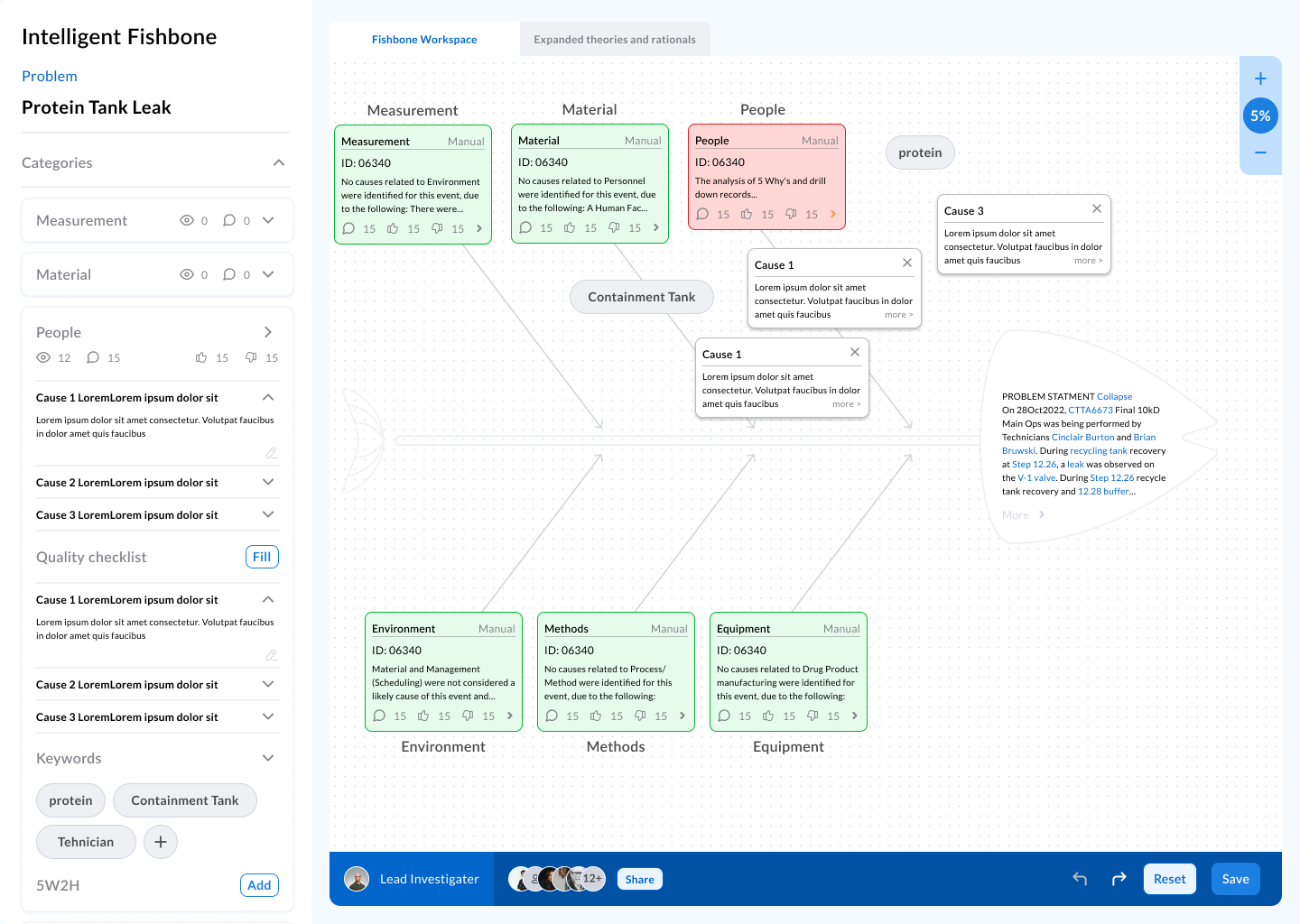
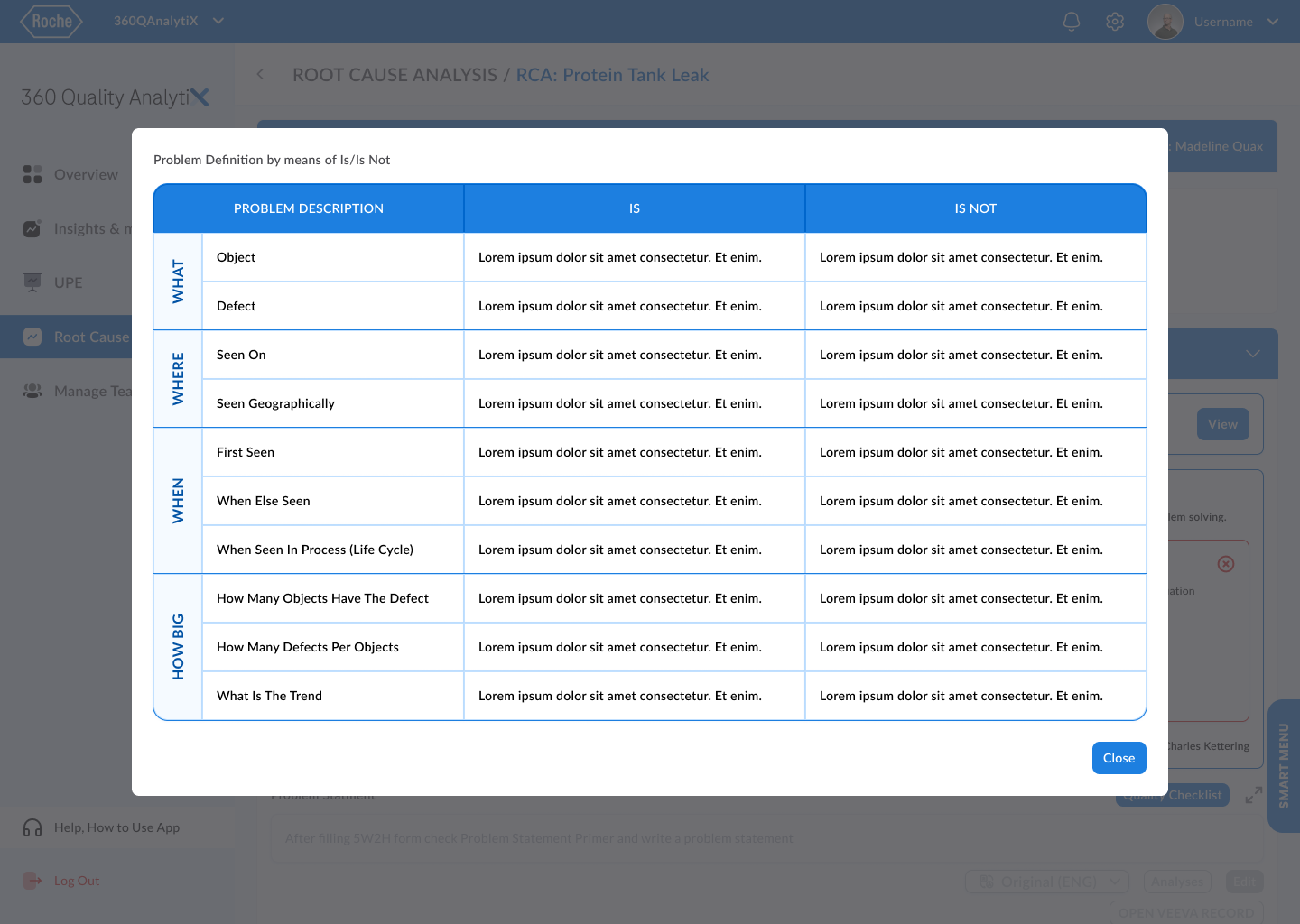
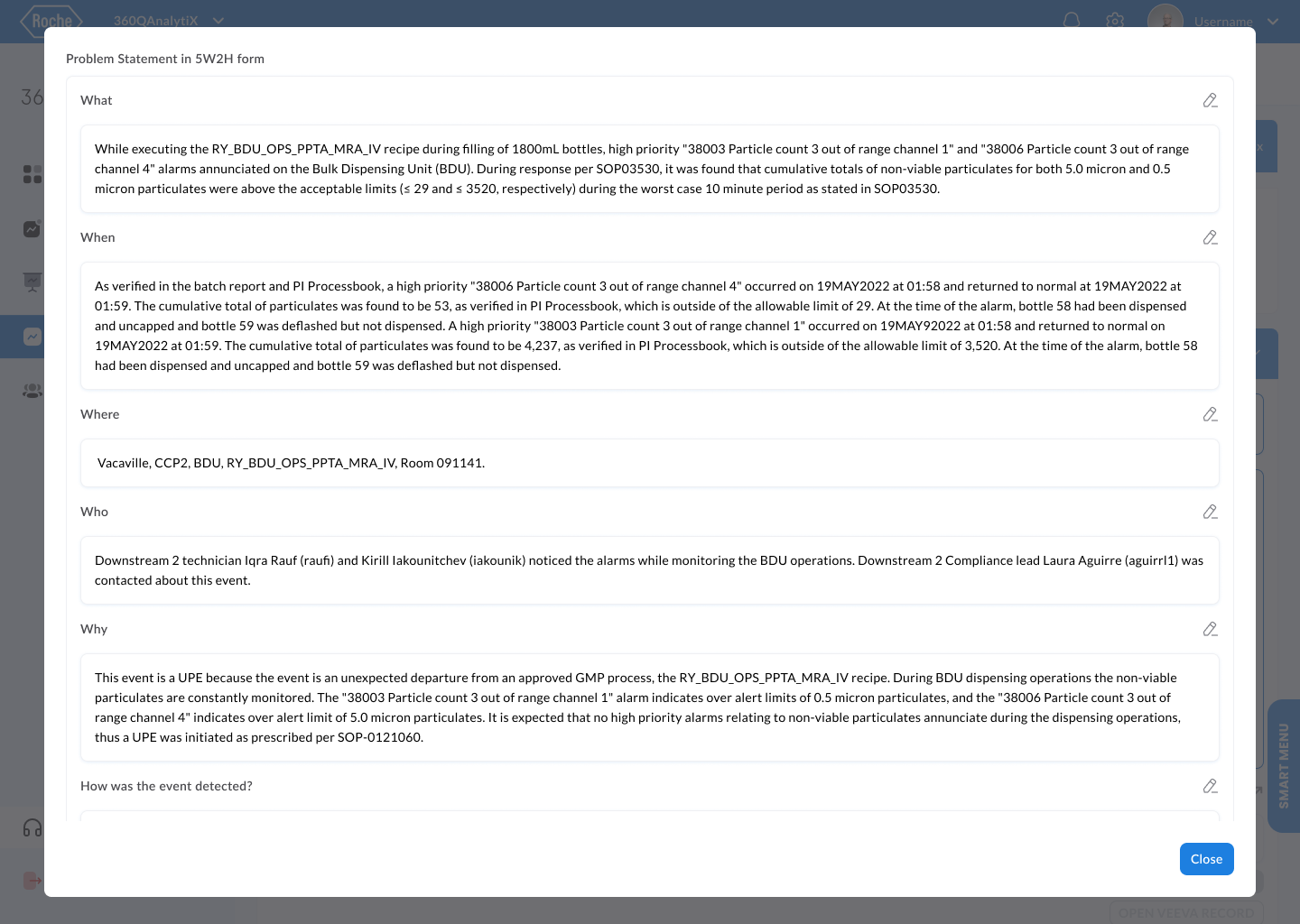
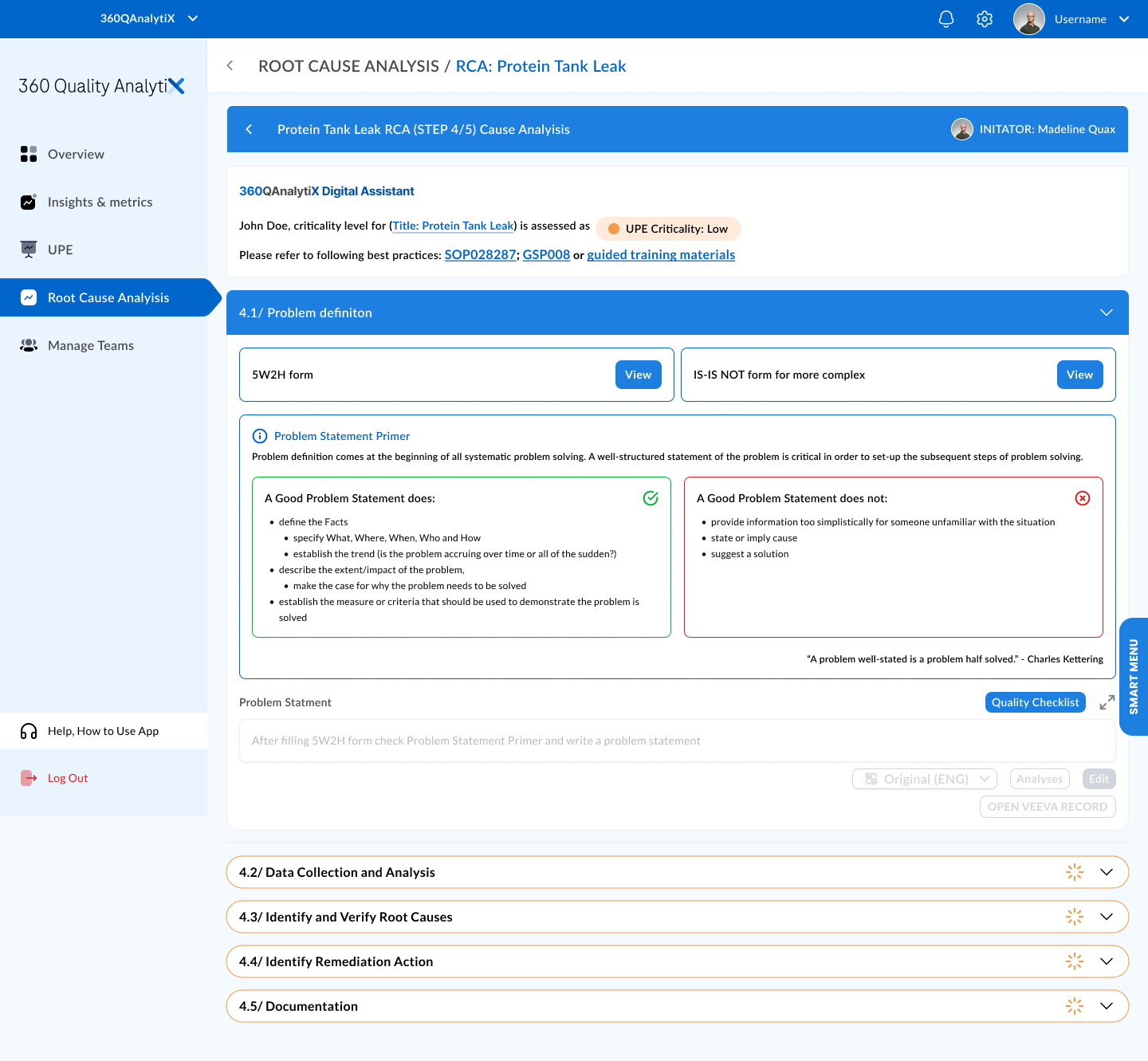
UI/UX Designer & Business Analyst on a platform enhancing root cause analysis processes in pharmaceutical manufacturing. Implemented Atomic Design principles, multiple investigation methodologies (Fishbone, Is/Is Not, 5 Whys), and led stakeholder advocacy - impacting 10,000+ users.
Enhanced root cause analysis processes within Roche's quality assurance framework. The platform guides manufacturing scientists and investigators through systematic problem-solving methodologies when investigating unplanned events in pharmaceutical production.
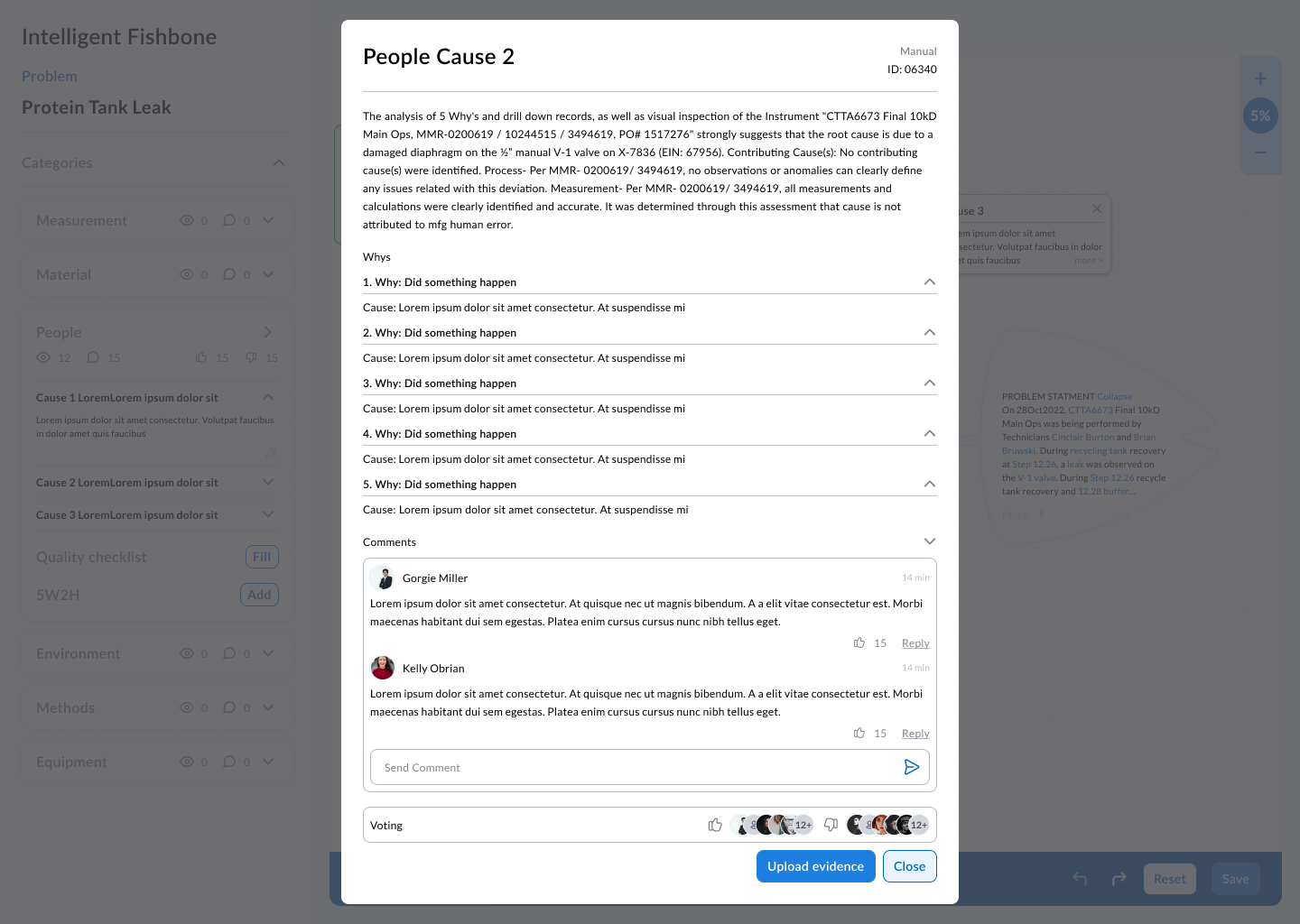
Visual cause-and-effect diagram interface for categorising potential causes of manufacturing problems into systematic groupings.
Comparative analysis tool distinguishing specific problem characteristics by examining where, when, and how the issue does and doesn't occur.
Sequential questioning interface that guides investigators through iterative layers of causation to reach the true root cause.
Screenshots from the actual platform (NDA expired). Click to enlarge.
Unplanned Event - Initial Steps
Fishbone Methodology
Is / Is Not Analysis
5 Whys Investigation
Platform Overview
Delivered a comprehensive investigation platform used by 10,000+ users across Roche Diagnostics. The modular Atomic Design approach enabled scalable UI components, while the three investigation methodologies provided investigators with structured, systematic tools for pharmaceutical quality assurance. Spearheaded collaborative tool development with SMEs, demonstrating both leadership and innovation.
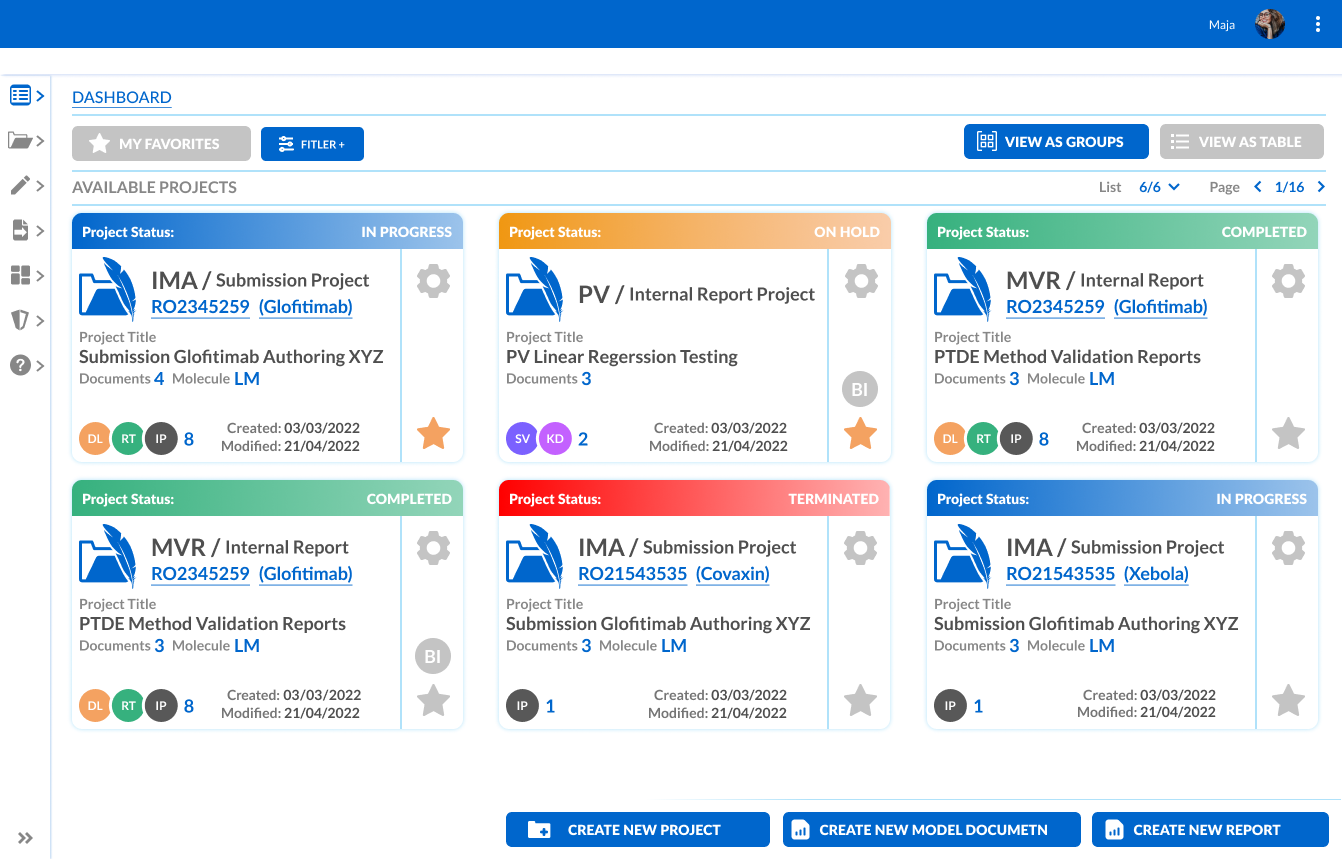
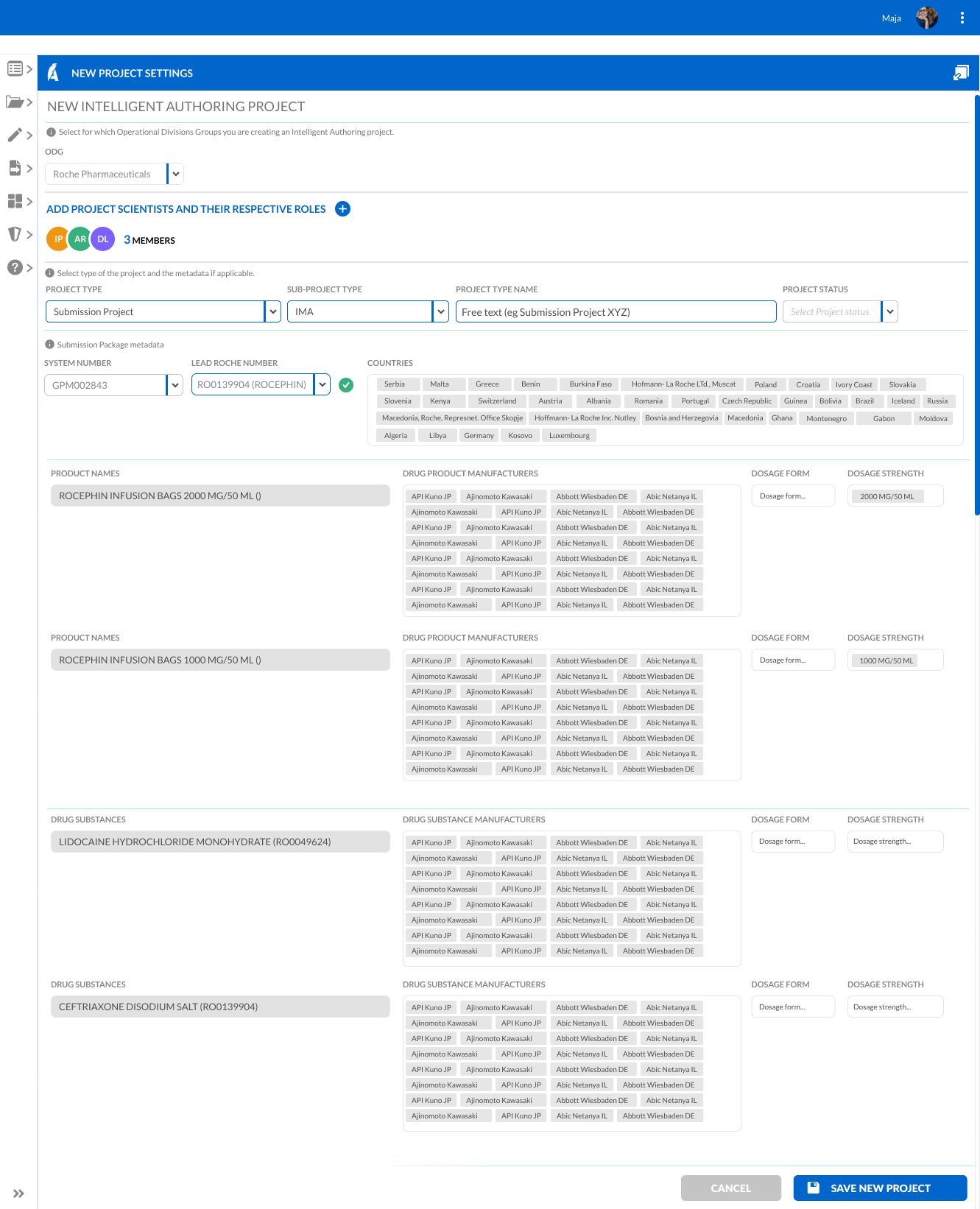
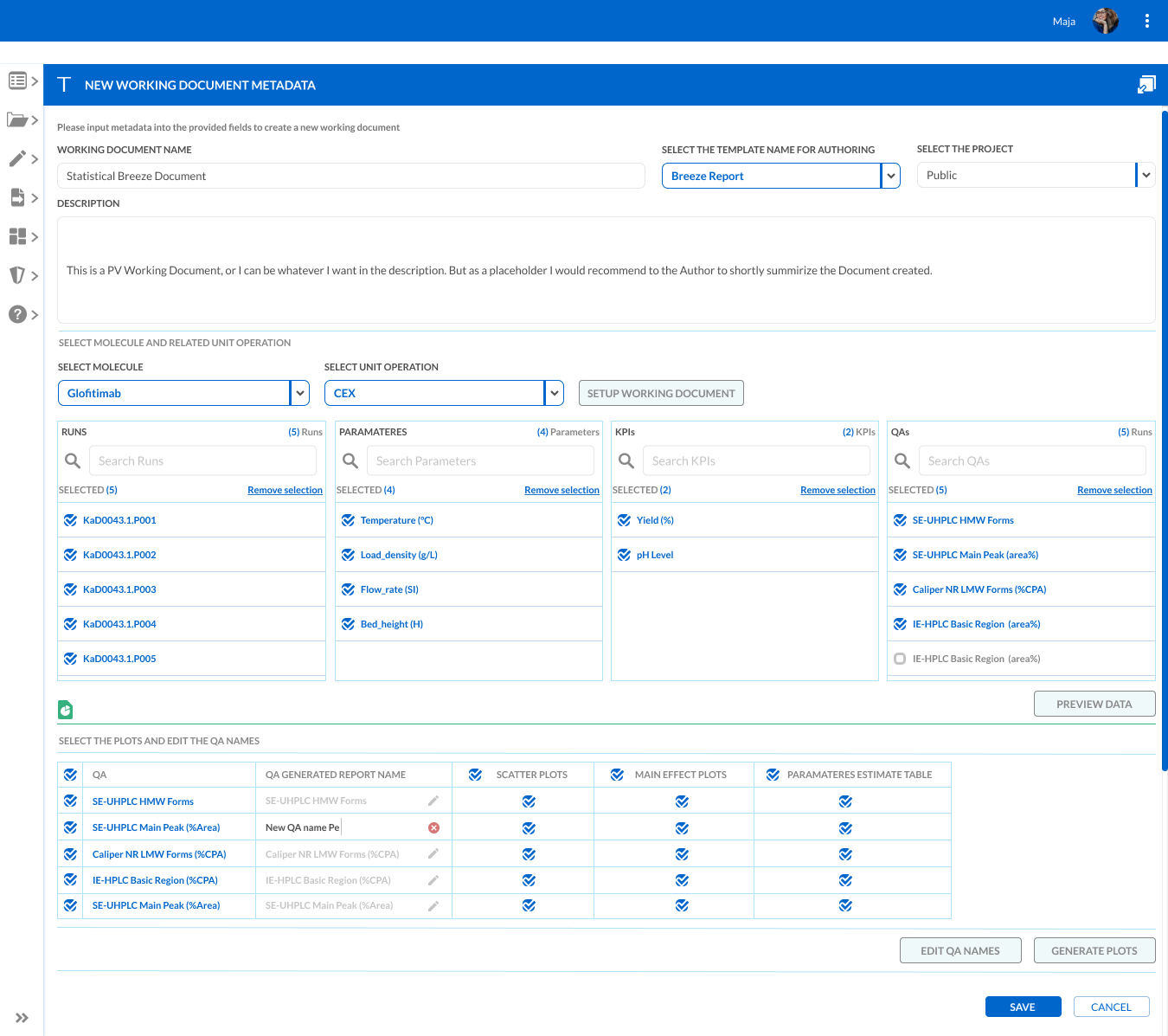
Lead UI/UX Designer on a pharmaceutical documentation management system. Designed an ergonomic dashboard with RBAC, advanced filtering, and iterative prototyping - creating ~120 UI designs for a platform used across manufacturing operations.
Developed an intuitive, efficient system for pharmaceutical documentation management. Applied human-computer interaction principles for user-friendly layouts, and designed an algorithmic hierarchical access control architecture (RBAC) that enhanced security and operational efficiency. Implemented algorithm-driven filtering for effective data management across the platform.
My role frequently extended beyond standard UI/UX responsibilities. Driven by a genuine interest in life sciences and commitment to the project's success, I engaged deeply in understanding the scientific context - often working additional unpaid hours to support the team and advance project goals.
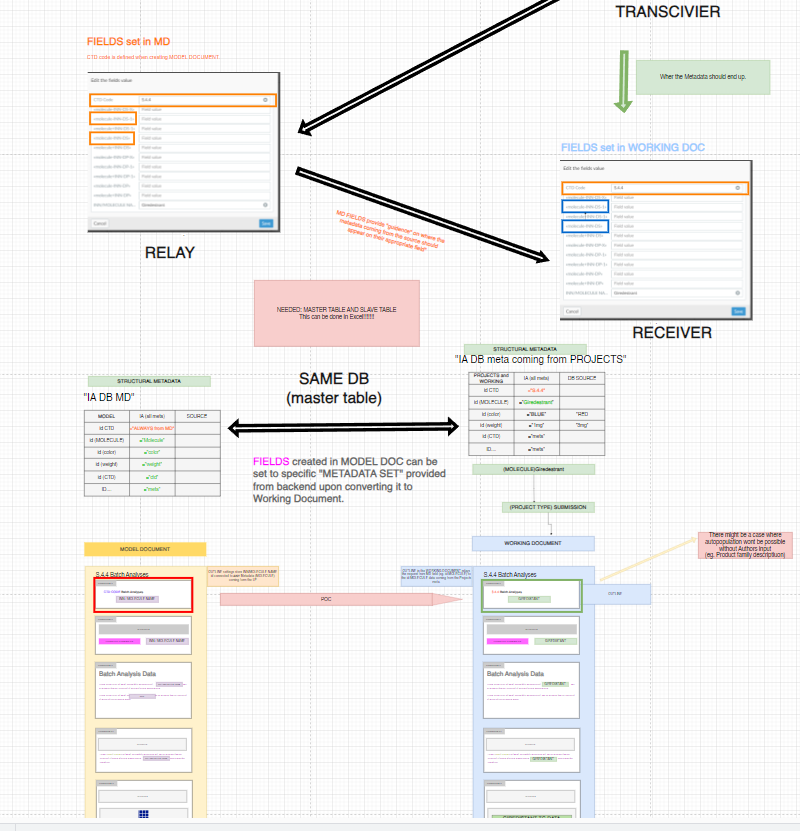
Worked closely with Product Owners, Subject Matter Experts, and engineers using draw.io for system architecture mapping, organisational hierarchy documentation, data parsing process design, and wireframe development. Successful partnership with Product Owners facilitated task creation that was subsequently managed in Jira for both engineers and design.
Screenshots from the actual platform (NDA expired). Click to enlarge.
Dashboard - Project Summary
Metadata Selection - New Project
Chromatography Reports UI
draw.io - Architecture & Wireframes
Delivered ~120 UI designs for a platform spanning pharmaceutical manufacturing documentation. The RBAC system and ergonomic dashboard became foundational components. My proactive involvement in the scientific context resulted in innovative problem-solving that went well beyond standard UX scope.
This engagement is under active NDA. For scope and responsibilities, see the Experience section:
UI/UX Consultant & Presentation Designer · RFP/RFI & OSINT Vendor Diligence
Market research drove a minimalist approach — storage over specs, colour-matched UI, black background for luxury. Awarded 'Best Promotional Landing Page' in Croatia (Appcom / Apple Partner, 2016).
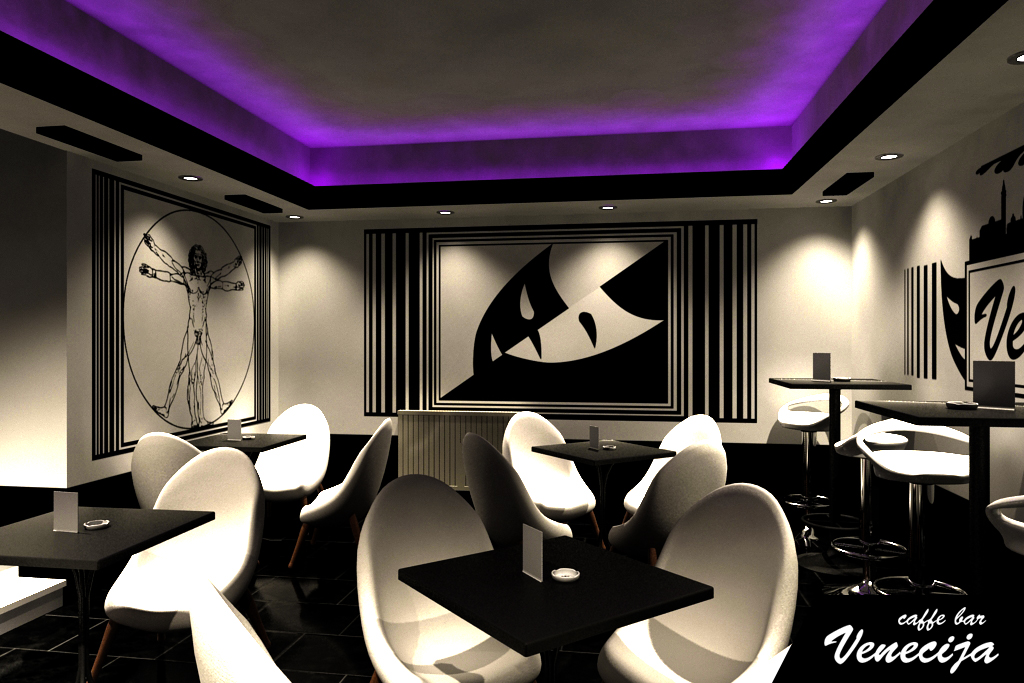
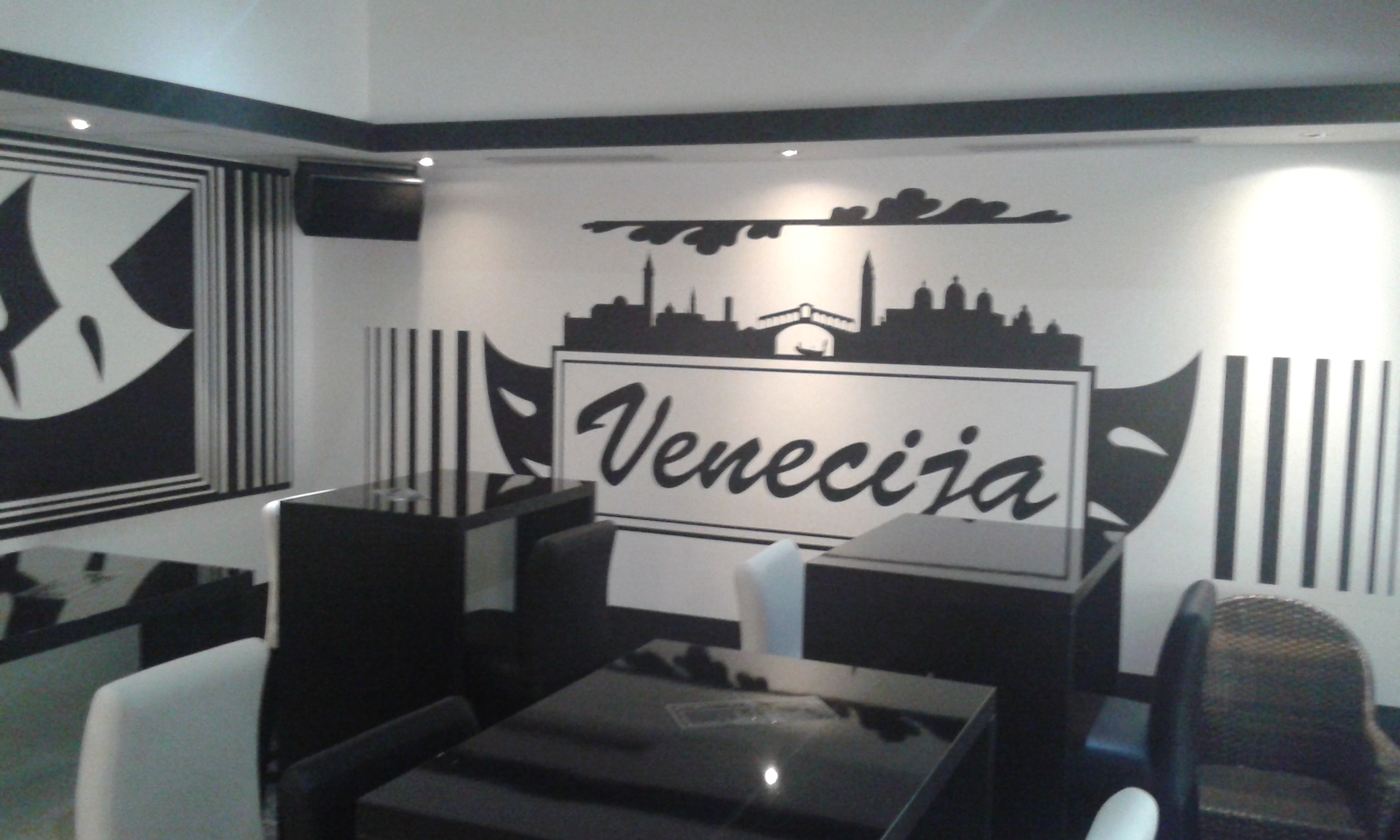
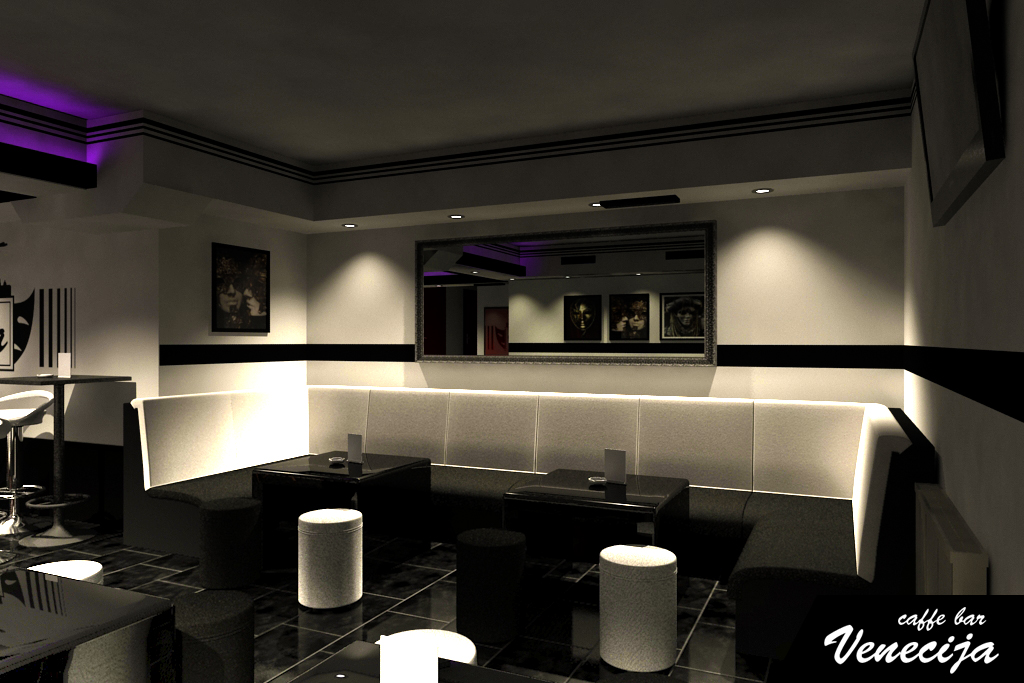
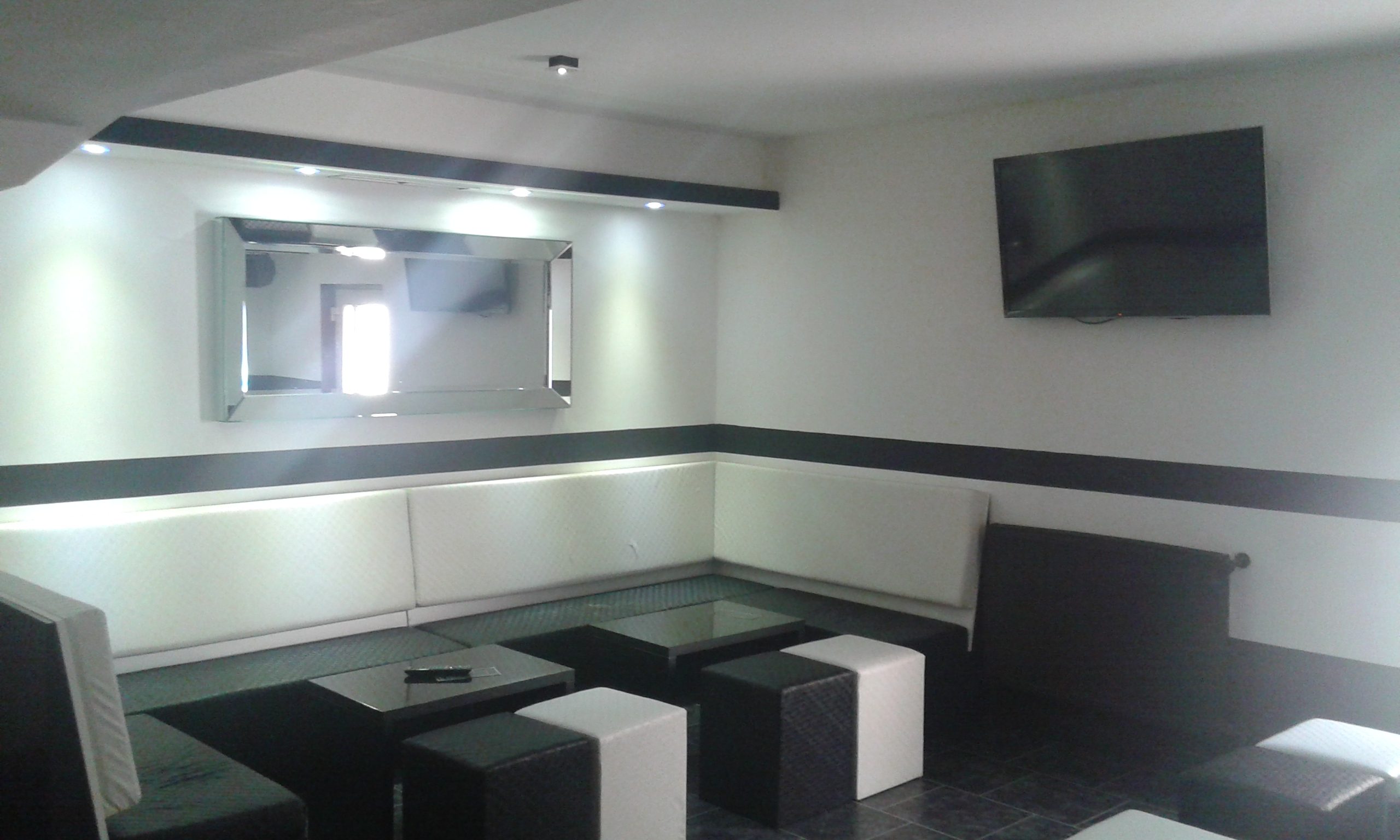
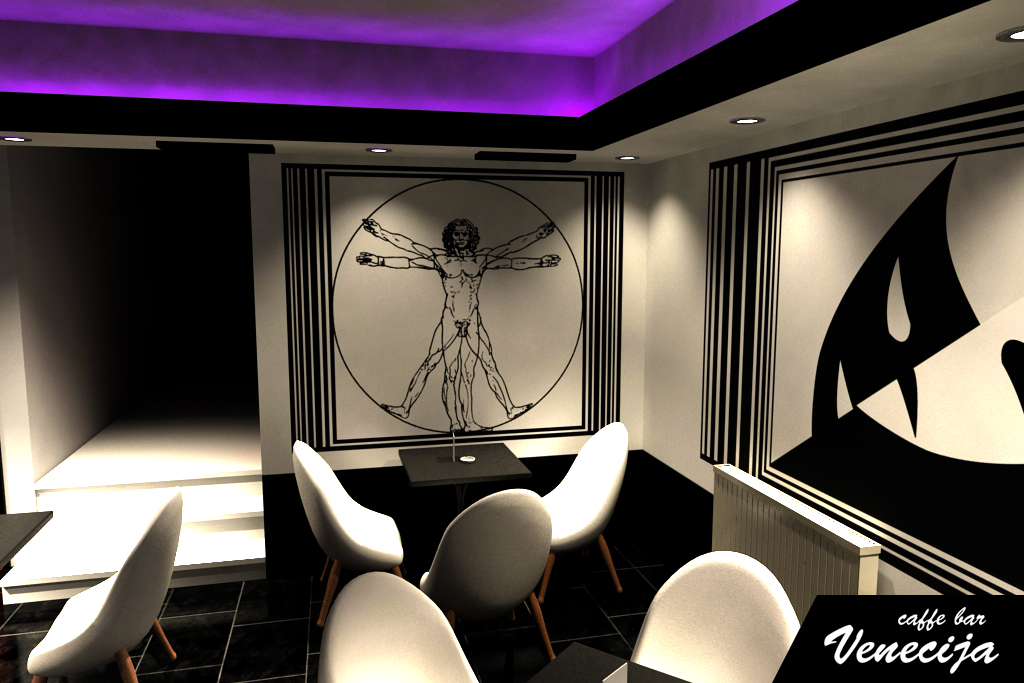
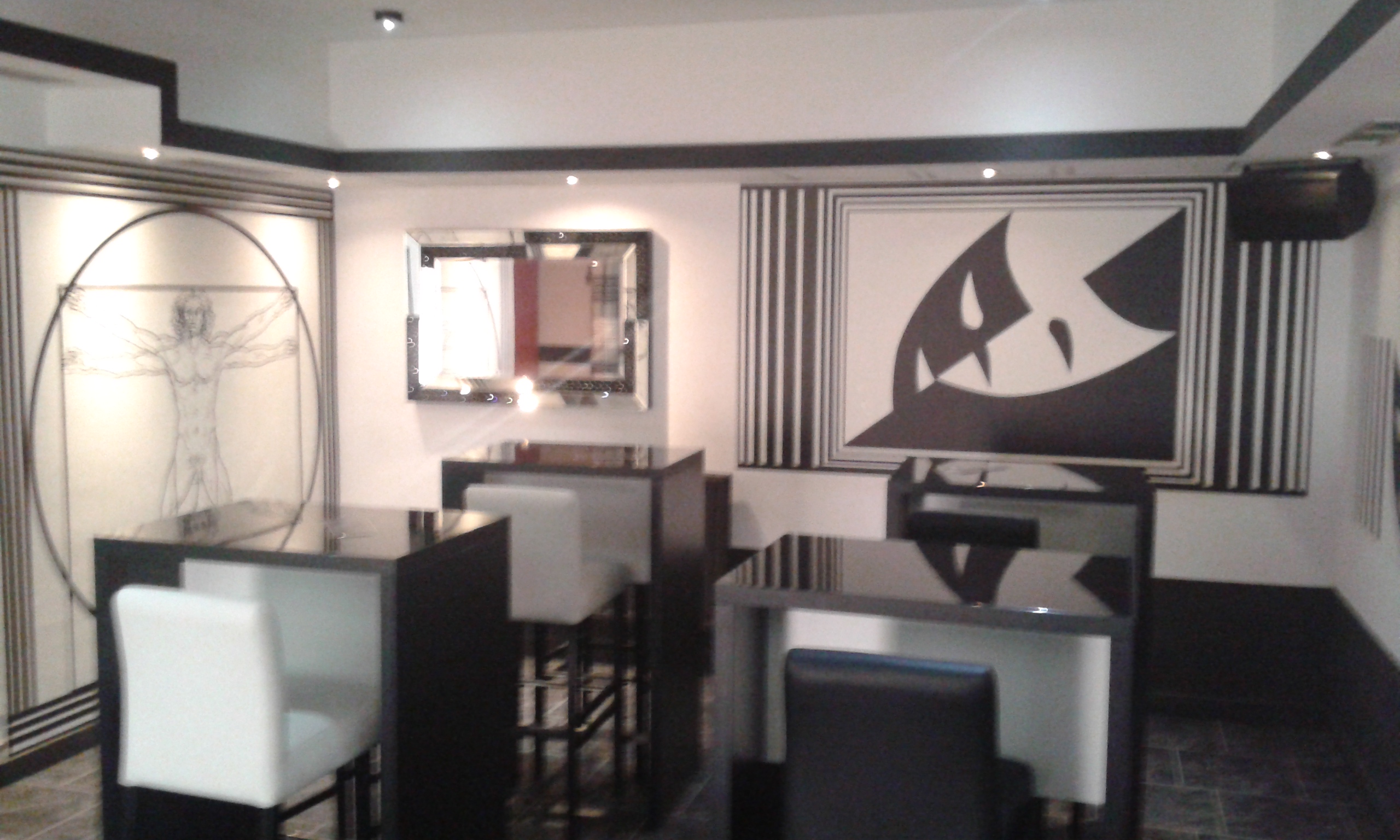
View Live Demo3D interior visualisations created in 3ds Max for hospitality clients - then built for real. The low-res photos were taken on phones of that era, but the spaces speak for themselves.
3D Render
Built Result
3D Render
Built Result
3D Render
Built Result
Night Bar Venecija, Zagreb - designed and visualised in 2010, built the same year.
Background & Learning
Algebra University College, Zagreb
Computer systems, programming (C++, Python), web technologies (HTML, CSS, SQL, JavaScript).
Faculty of Economics, Zagreb
Enrolled in economics, but shifted when freelance web work started gaining traction. The course correction led directly to Multimedia Engineering at Algebra.
Self-directed
The most formative learning happened in the work itself. A senior web developer at Harvey Norman taught production-grade HTML/CSS while real campaigns shipped. Volunteer UX work at Emona Biopharma applied design thinking to pharmaceutical procurement. Every client, every contract, and eventually a 30K-line game engine - the curriculum wrote itself.
Get in Touch
Whether you're an enterprise team needing design leadership, a pharma program evaluating AI vendors, or a local business owner who just needs a great website - we're ready to talk.
Phone
+43 676 9660 217Location
Based in Tirol, Austria - working across Europe
Remote-first, happy to meet in person. I regularly work with teams in Vienna, Munich, Zürich, Basel, Zagreb & beyond. EU work authorization - no visa needed.